
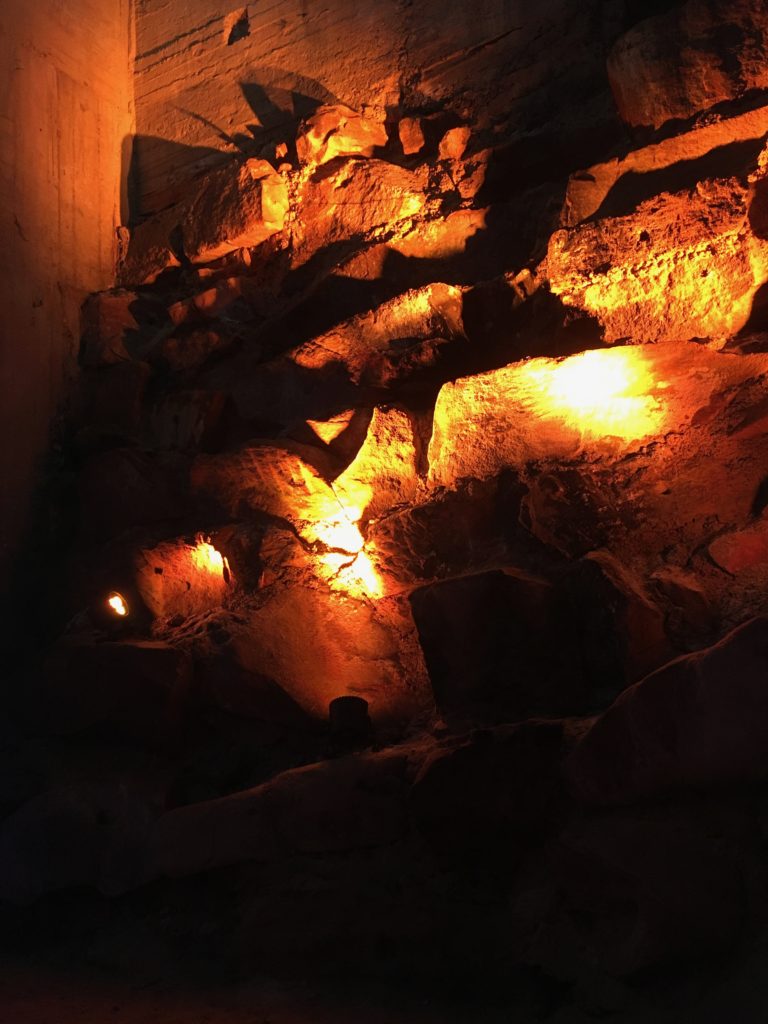
Last week we had a picnic with friends on the Coal loader and also got to see the new art show in the coal loader tunnels. This was amazing and very well made. Picnic with cheese, crackers and wine together with great friends whilst watching the sunset.






The Joy of Tidying
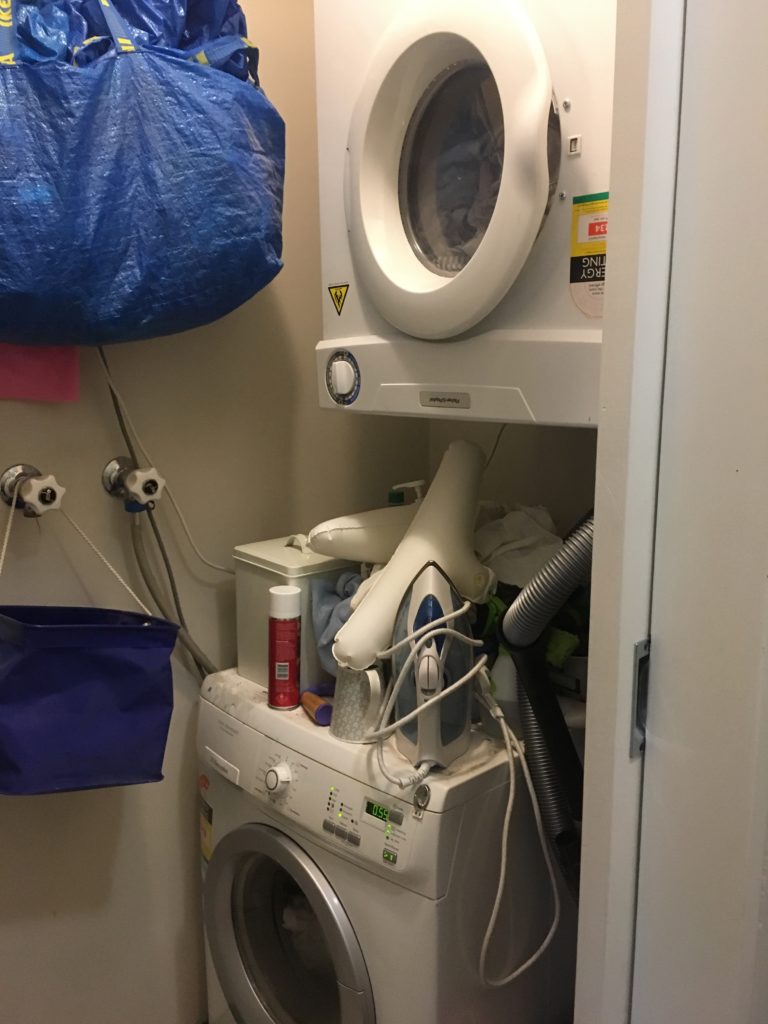
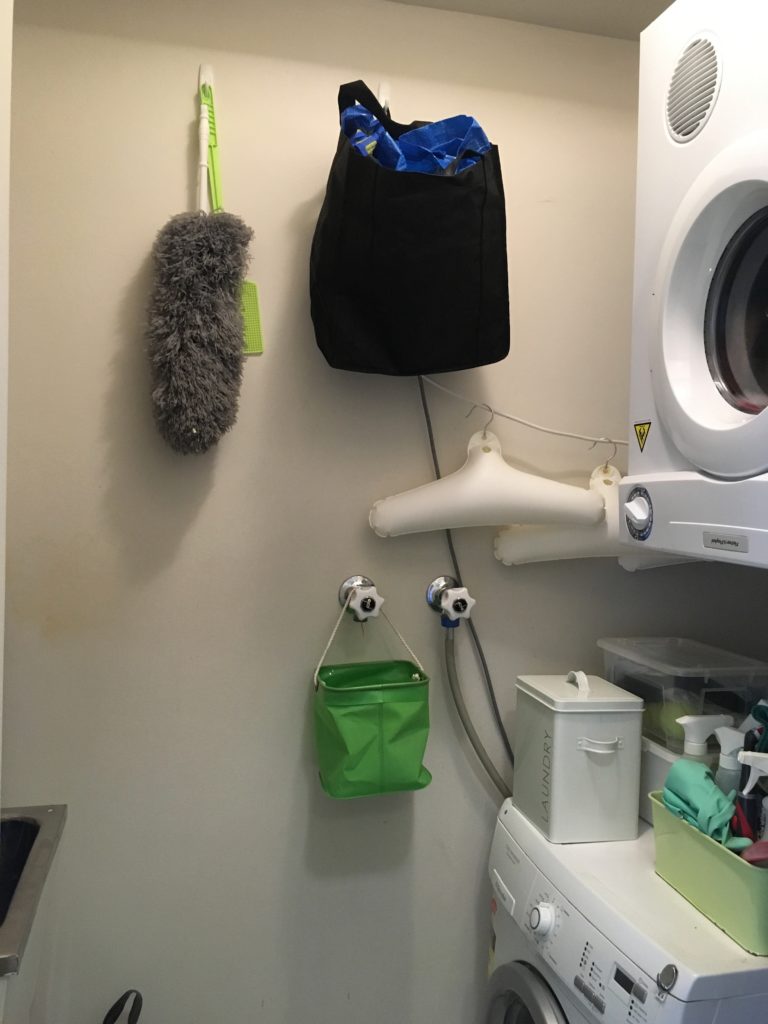
Having previously read the books by Marie Kondo and lately seen the TV show together with the family, I decided to re-read her latest book. Having read this previously, this time I took in a lot more. Started with the Laundry, a room that has been annoying me for a while.
A great Gluten Free bread!
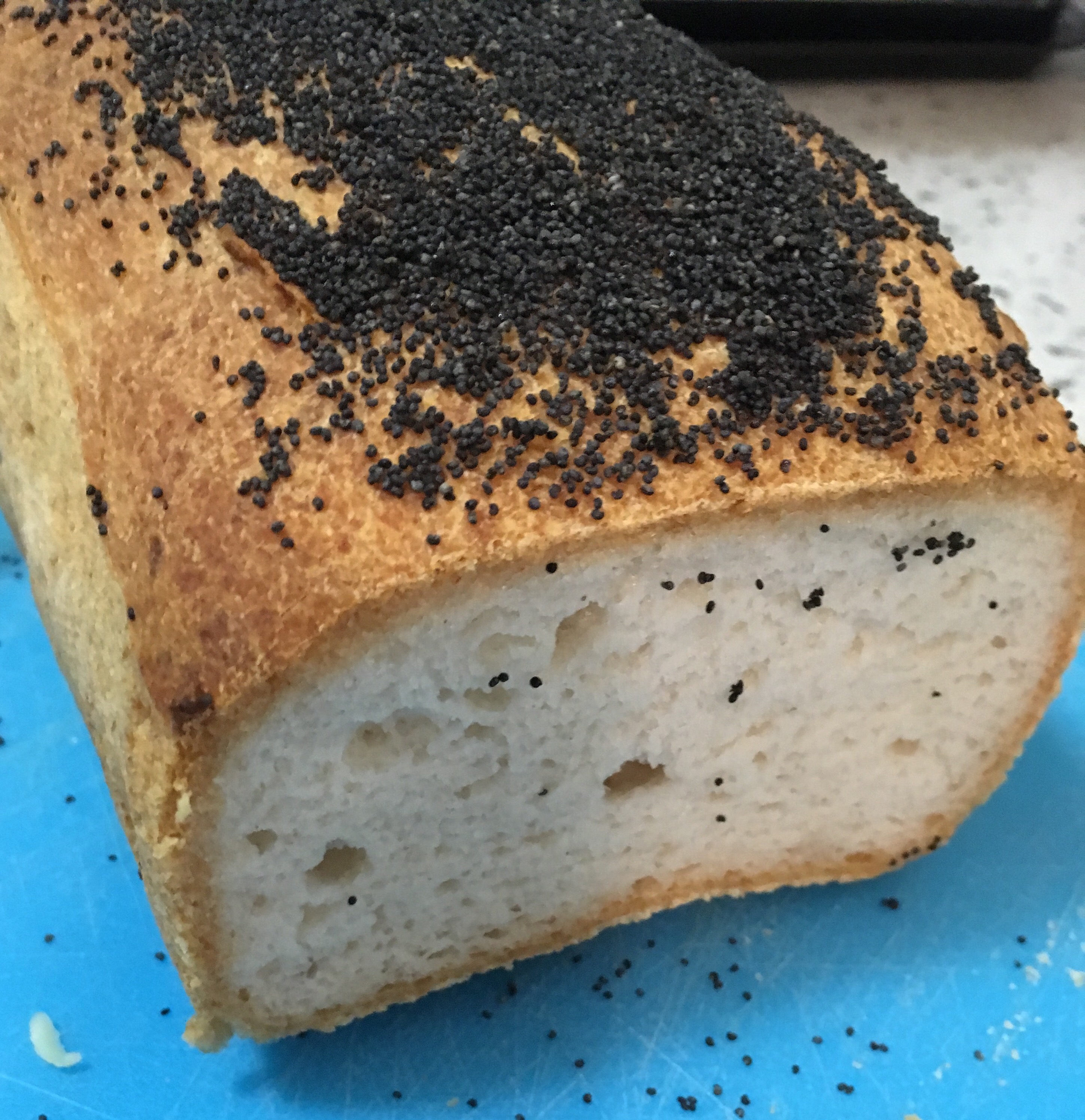
 Yesterday, I made a delicious and simple to make gluten free bread. It was nice to eat a slice fresh and warm from the oven and great after that as toast.
I found this in my favourite baking book by Maria Blohm and Jessica Frej “Baka Nytt” (There first book is published in English).
For 1 Bread:
- 350 gr cold water
- 2 teaspoons dried yeast
- 150 gr rice flour
- 50 gr maize flour (majsmjöl)
- 150 gr potato flour
- 50 gr vegetable oil (Rapsolja)
- 1 egg white
- 5 gram sugar
- 1 1/2 teaspoons salt
- 10 gram phsyllium husk
- 10 gram xantumgum
- poppy seeds
- Mix all ingredients apart from the husk and the Xantum gum into a bowl.
- Mix with a beater for 5 mins
- Add the husk and the Xantum and mix together for about 1 mins
- Put the dough in a 1 litre bread pan, sprinkle the poppy seeds on top
- Let the bread rest for 2 hours
- In the oven, at 225 c, for 1 hour
A new book explaining FODMAP
I was given a great new book from Fredrik and Erin for my Birthday. It is written by the women who is behind the research and findings about FODMAP.
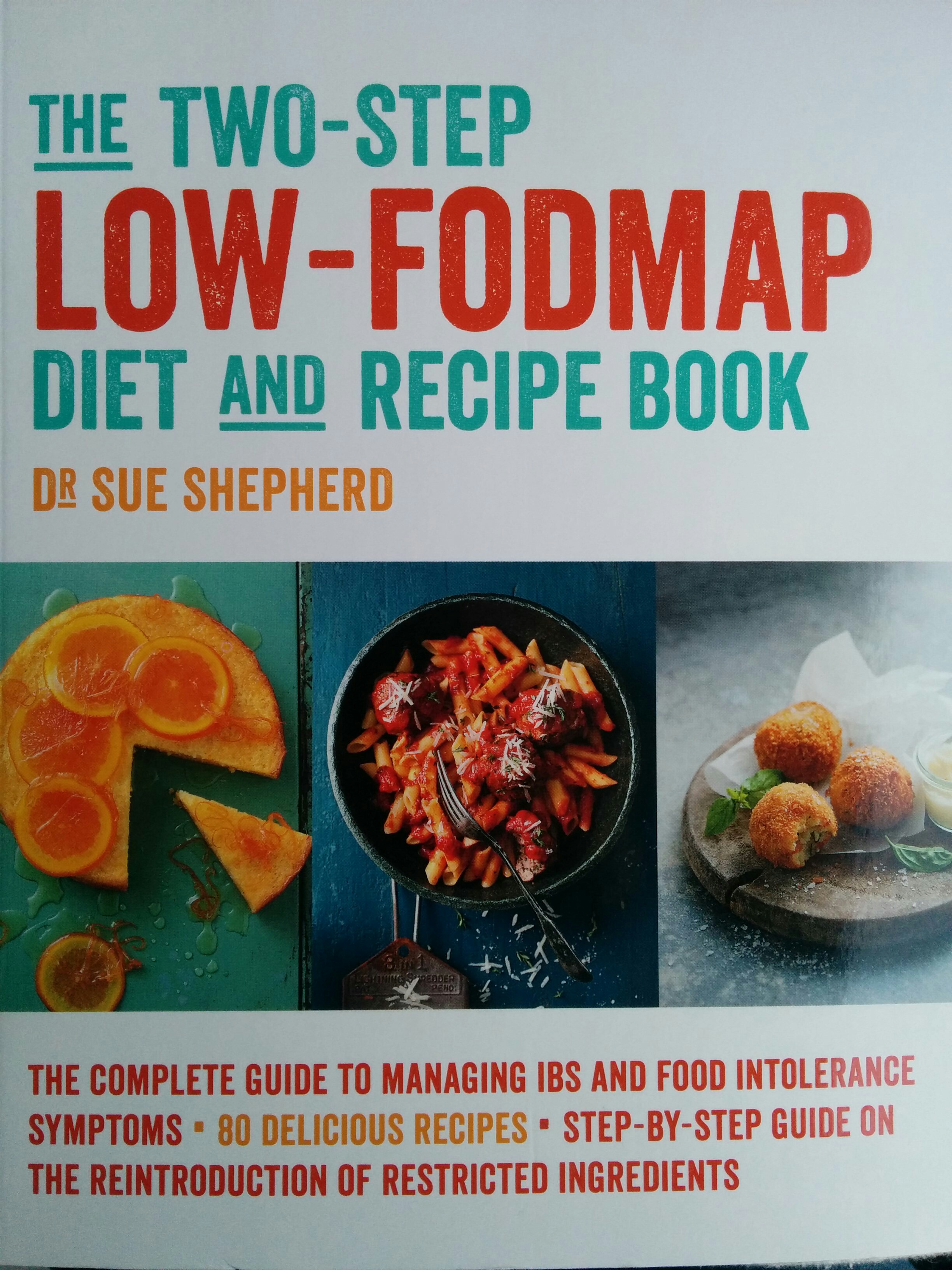 The book: The Two-step LOW-FODMAP Diet and Recipe book, was a great read and I will be referring to this many times in the future.
Cake is easy
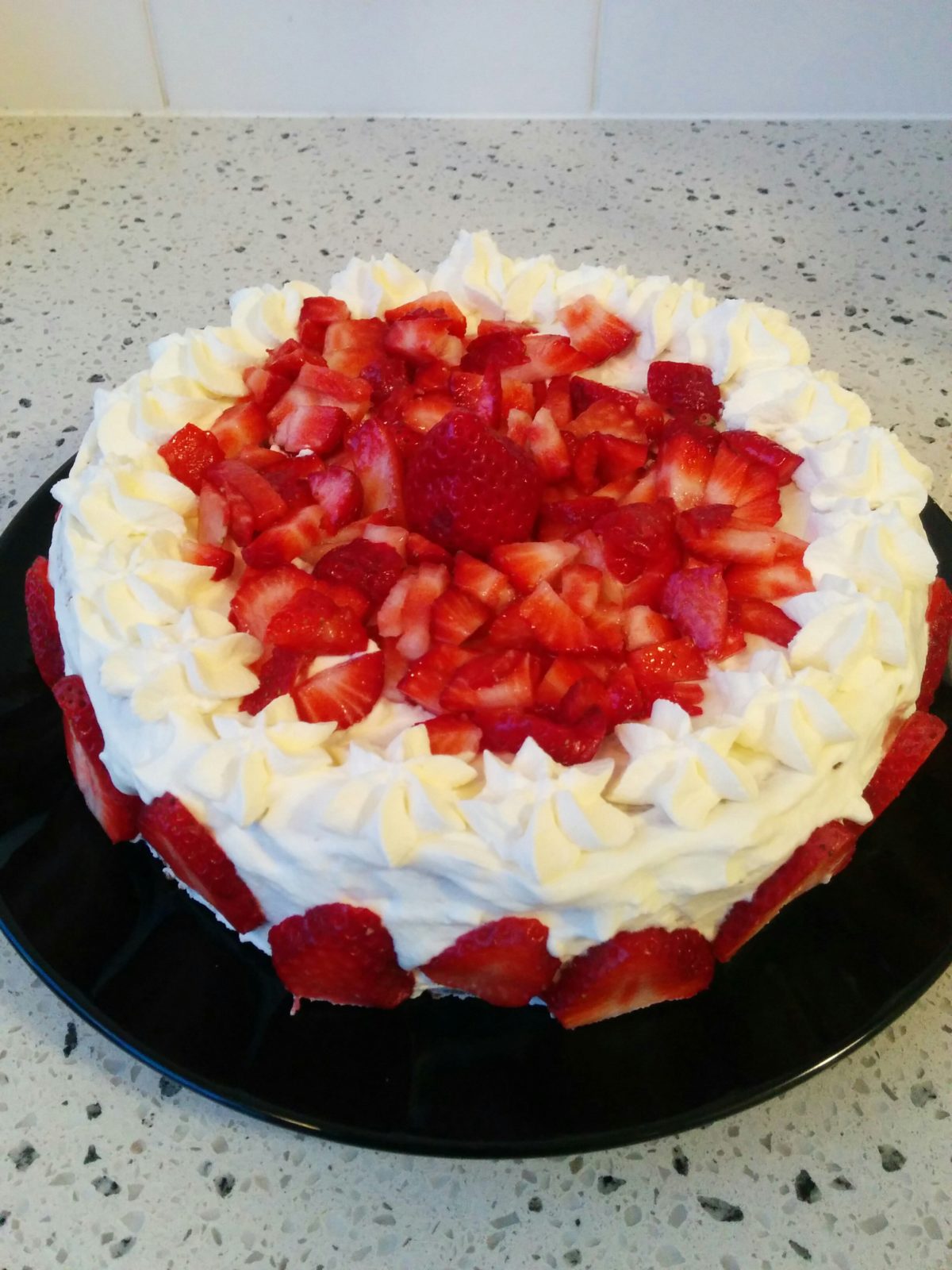
 Making my favourite birthday cake, Jordgubbstårta, was not a problem this week.
The sponge was made with glutenfri flour (only has egg, flour and sugar in it), I made my own custard (with lactosfree milk) and as I can have small amounts of whipped cream, I added a thin layer on the cake. It was very appreciated by the whole family, with no leftover.
Finding food that works – Starter
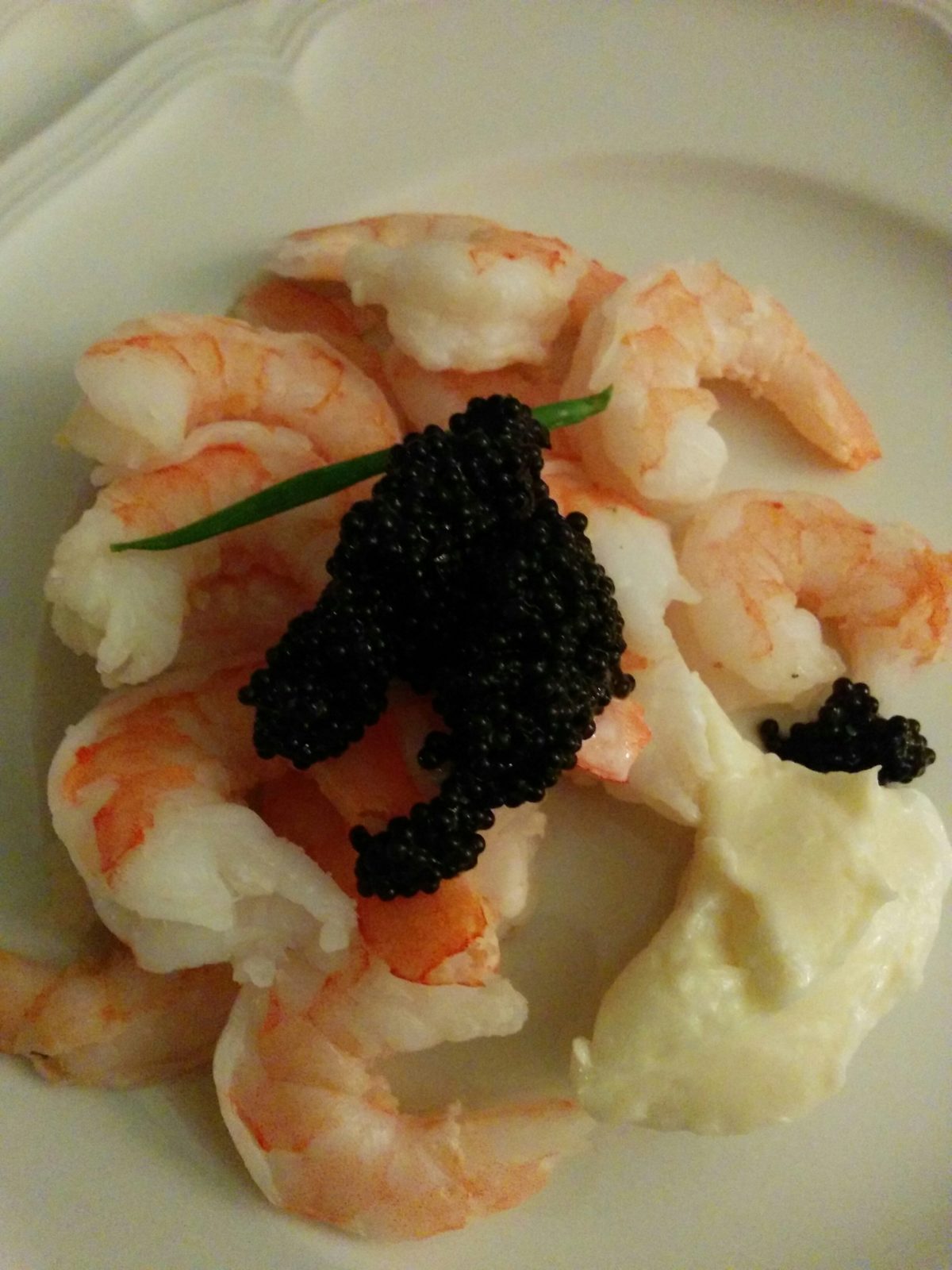
 It is not hard to substitute most of the no-foods to make nice meals, just takes some time to look through the ingredients and then choosing something else. And as I feel great if avoiding the no-foods, it is well worth it. I also learn with time and experience what to say to people when I visit others.
We recently went and visited friends, who are very good at asking what I can eat and not. Instead of a Skagenröra for starter (which is a mix of shrimp, sour cream on toast, I was given a pile of shrimp, with mayonnaise and added some black roe. Tasted delicious. This weekend I tried to make a Skagenröra with ingredients I can have, and it turned out great. Substitutet the sour cream with cottage cheese, added lemon juice, olive oil, salt and peppar and served on toast, glutenfri toast for me. Liked by all around the table.
NO Foods
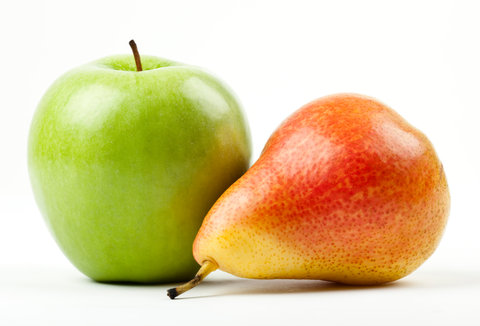
This is a short list of what I cannot eat!
In a nutshell and hopefully for easy reference to be used together with the post on what I can eat.
- Gluten, in any form (though I am not celiac)
- Laktos (including yoghurt, sour cream, milk powder, cream, skimmed milk)
- Onion
- Garlic (though can have garlic infused…it is possible to fry sliced garlic in oil and them remove the garlic)
- Dried fruit, raisins
- Honey
- Mango, pear, apple, figs, plum, apricot, nectarine,
- Beans of many forms
- Dried tomato and tomato juice
- apple and pear juices
- watermelon
- cream cheeses (ricotta, mascarpone, cream cheese)
- mushroom
- asparagus
- tinned fruit in fruit juice
- cauliflower
Food I can eat
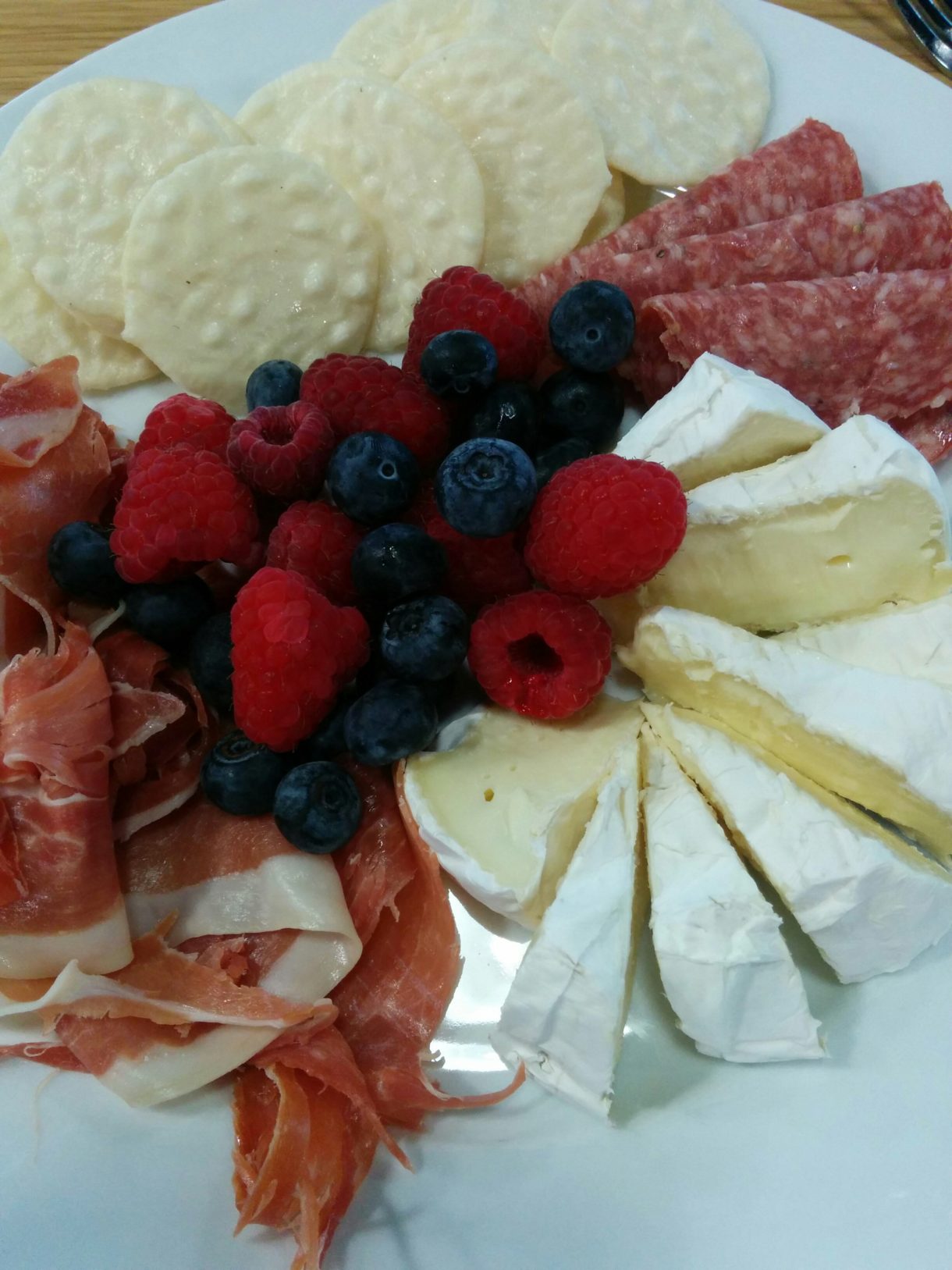
 When looking at the list of different foods that I am not able to eat, it is hard to eat at a restaurant or at friends houses. I feel awkward asking about all the ingredients in the different dishes. If I know all the ingredients, it is easier for me to feel good when eating.
The photo shows an example of what I eat for lunch. Slight warning on the salami.. must know the ingredients.
This is just a rough guide to what I can eat – which needs to be compared with the list of things I am not able to eat.
- Gluten free: though needs to be without Almond- and cornflour.
- Lactosfree milk and cream (not almond or soy based)
- Butter
- Hard cheeses, including brie, camembert, goatscheese, feta.
- Meat, bacon, ham and chicken
- Potato and rice.
- Fish
- Oyster, mussel and shrimp
- Coconut milk and cream
- Citrus fruits (not grapefruit)
- Grapes
- Lettuce, tomato, cucumber and capsicum
- all herbs, including chives
- cottage cheese
- egg
- small amounts of whipped cream
- sugar (normal)
- coffee
- black tea
- wine, beer and spirits (not sweet spirits or milk based)
- Green round beans
- Melons (not watermelon)
- Macadamia nuts, peanuts, pine nut, sunflower seeds, linseed, pumpkinseed, pecan, walnut
- Rice biscuits and crackers (need to check ingredients though..not contain soy wheat)
- Radish
- Spinnach
- squash
- Banana
- Strawberry, raspberry and blueberry
- Rice cereal, rice bubbles
FODMAP diet
FODMAPs are found in the foods we eat. FODMAPs is an acronym for
Fermentable
Oligosaccharides (eg. Fructans and Galacto-oligosaccharides (GOS))
Disaccharides (eg. Lactose)
Monosaccharides (eg. excess Fructose)
and
Polyols (eg. Sorbitol, Mannitol, Maltitol, Xylitol and Isomalt)
This means that I need to avoid everything that contains any of these above groups.
Things to avoid (not fully comprehensive list)
LACTOSE: Soft cheeses, Yoghurt, Icecream, Cream and Sourcream
FRUCTOSE: Asparagus, Balsamic vinegar, Fructose, Honey, Mango, Sugarsnaps, Tomatojuice, Tomatopaste, sundried tomatoes
POLYOLS 1 (Sorbitol): Avocado, Blackberries, Dried coconut
POLYOLS 2 (Mannitol): Cauliflower, Celery, Sweet potato, as well as Isomalt, xylitol, glycerol, malitol
FRUCTANS (Wheat based): Found in Wheat, rye and barley…ie found in gluten
FRUCTANS (not wheat based): Savoy cabbage, Pomegranate, Garlic, Watermelon, Leek, Cranberries-dried, Onions, Dates, Apricot, Figs, Grapefruit, Mango, Prunes,
GALACTANS: Chick peas, Lentils, Almonds, Pistachio nuts, Green peas
Things that have multiples of above: Apple, Broad beans, Cherries, Baked beans, Broccoli, Nectarines, Peaches, Pear, Plums, Prunes, Sweetcorn, Butternut pumpin, Snowpeas, Mushrooms, Beetroot, Cashews, Haricot beans, Hommus, snow peas
Look for other posts where I write about what I can eat and how to substitute the above.
FODMAP: I now feel great

Finally, I have been diagnosed!
After not being well during these past, at least five years, I have been given a diagnos and a diet to follow that makes me feel fantastic (well that is if I don’t eat anything that I shouldn’t..which takes five days of symptoms before I am fine again).
I was sent to a new dietician by my GP after moving back to Sydney and deciding that I have to find out what is wrong with me (again…thinking perhaps a new Doctor might have a new solution). The Dietician suggested that I might be suffering from a missing enzyme that brakes down Fermentable sugars. When she described how it feels when you have this – it was like she knew what had been going on (and was going on ) in my body.
She put me on a strict Low FODMAP diet. Six weeks of a special elimination diet with the plan to reintroduce some of all of the eight different groups of Fermentable sugars there are. Mostly people will be able to tolerate some of the groups.
After two weeks, I started feeling Great! First time in many years I was not feeling nauseous when hungry, which was every two hours if I did not eat anything within this period…and a lot of other symptoms that had gone. I slept better, had more energy and felt amazing.
The re-introduction did not go well and so far, I have not been able to add any of the groups.
Therefore my diet is very strict. More on this in other post.